Patan, Nepal
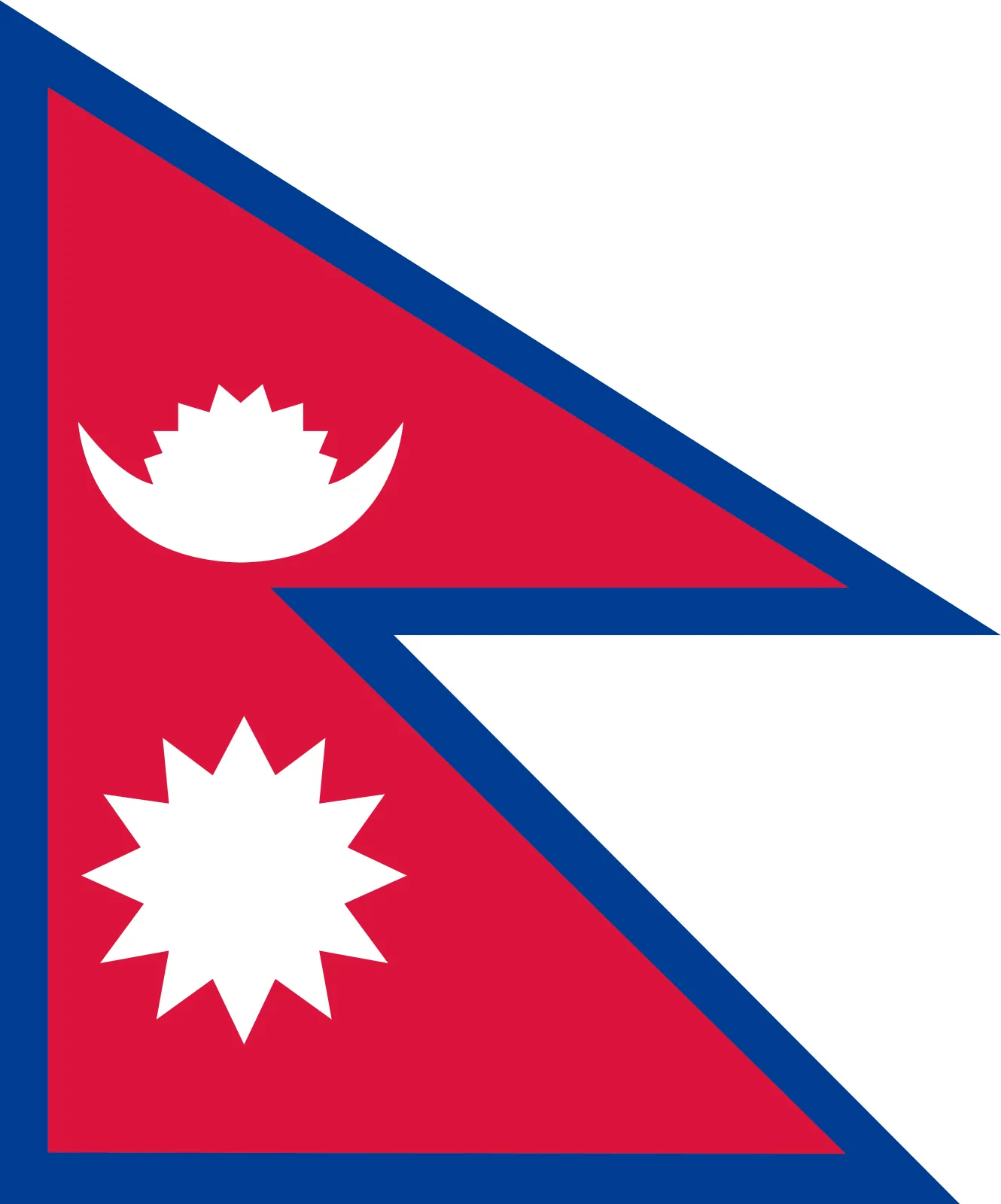
Flag of Nepal
Patan Quick Facts
Mayor: Chiri Babu Maharjan
Population: Estimate (2021) 299,000
Area: 15.4 square kilometers
Climate: Subtropical highland
Primary Spoken Languages: Nepali, Newar, English
Key Industries: Handicrafts, Tourism, Metalwork, Education, Culture
Contact us : communications@aurorasistercities.net
Quick Links
As one of the oldest continuously inhabited cities in the Kathmandu Valley and a UNESCO World Heritage Site, Patan (officially known as Lalitpur) holds a place of deep historical and cultural significance in Nepal. It became Aurora’s sister city due to its strong identity, artistic heritage, and shared values of multiculturalism, resilience, and community-driven growth.
Its economy thrives through tourism, heritage-based industries, education, and small-scale manufacturing. The city houses several academic institutions, museums, and spiritual landmarks, including the Patan Durbar Square, Golden Temple (Hiranya Varna Mahavihar), and Mahabouddha Temple.
Situated just south of Nepal’s capital, Kathmandu, Patan offers both deep historical roots and a modern outlook. It is easily accessible and actively engaged in preserving its urban fabric while promoting international cooperation and sustainable development.
Residents of Patan are proud of their cultural legacy, artistic excellence, and spirit of community. Through its sister city relationship with Aurora, Patan seeks to foster global dialogue, cultural understanding, and shared progress in the 21st century.